
زیر مجموعه گروه پارسمان

داوای نرخ
پارسمان شیمی

بەدوای چی دەگەڕێیت؟

ئەنجامەکان لە پەڕەی گەڕانی ماڵپەڕ دەکرێنەوە.

بۆ نموونە:
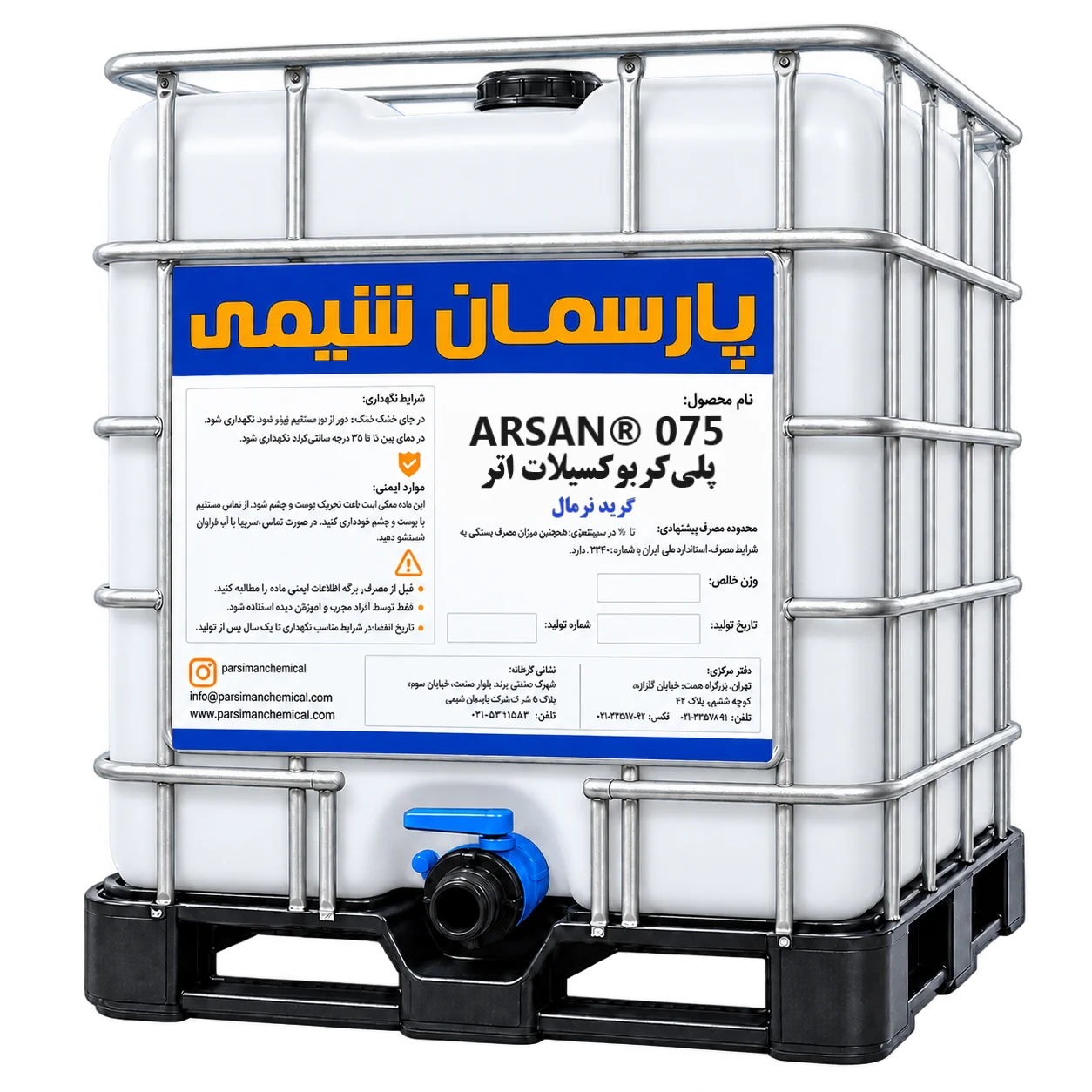
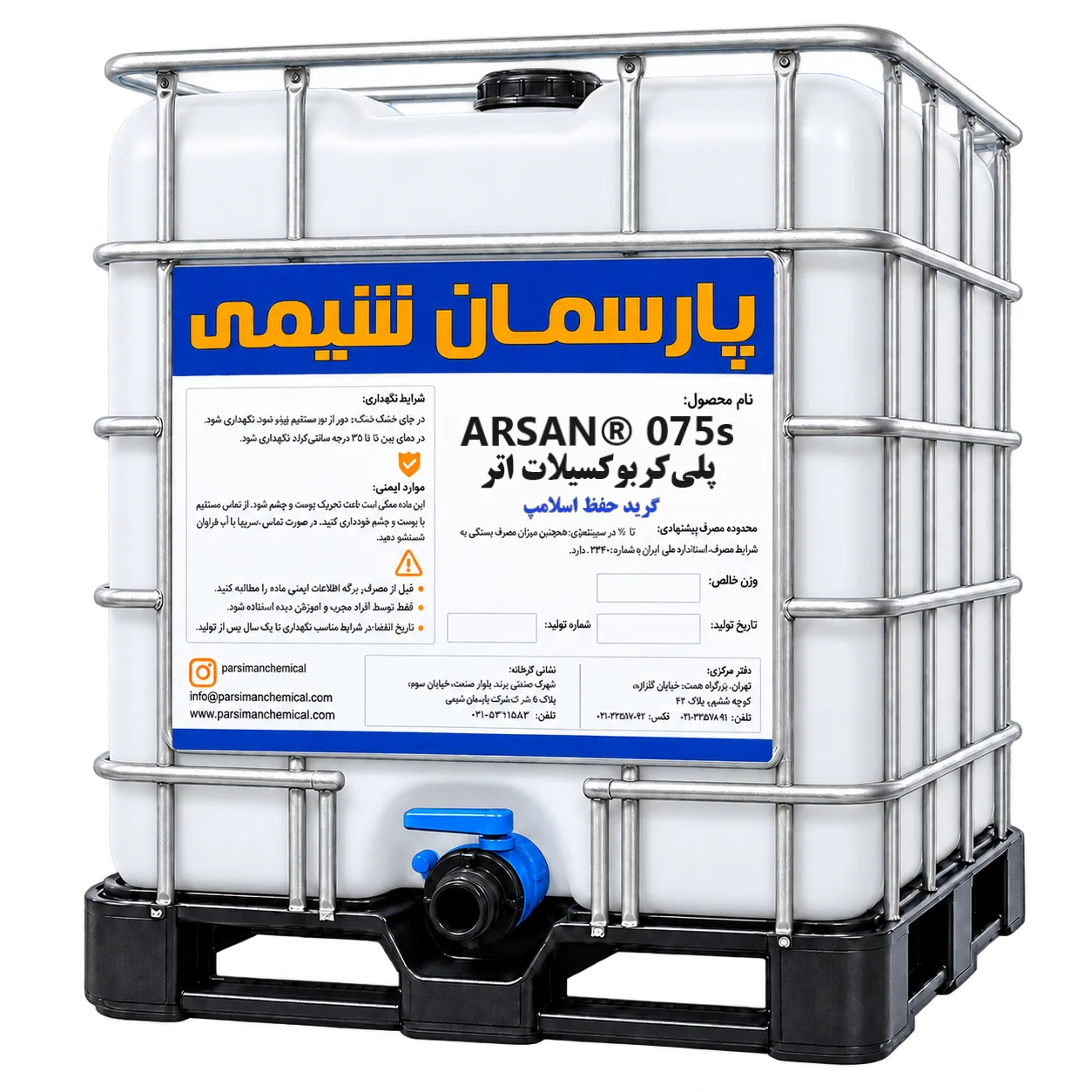
Parsman Chemical polycarboxylate ether concrete admixtures: ARSAN 075, ARSAN 075s and YASAN 1070

PARSMAN CHEMICAL

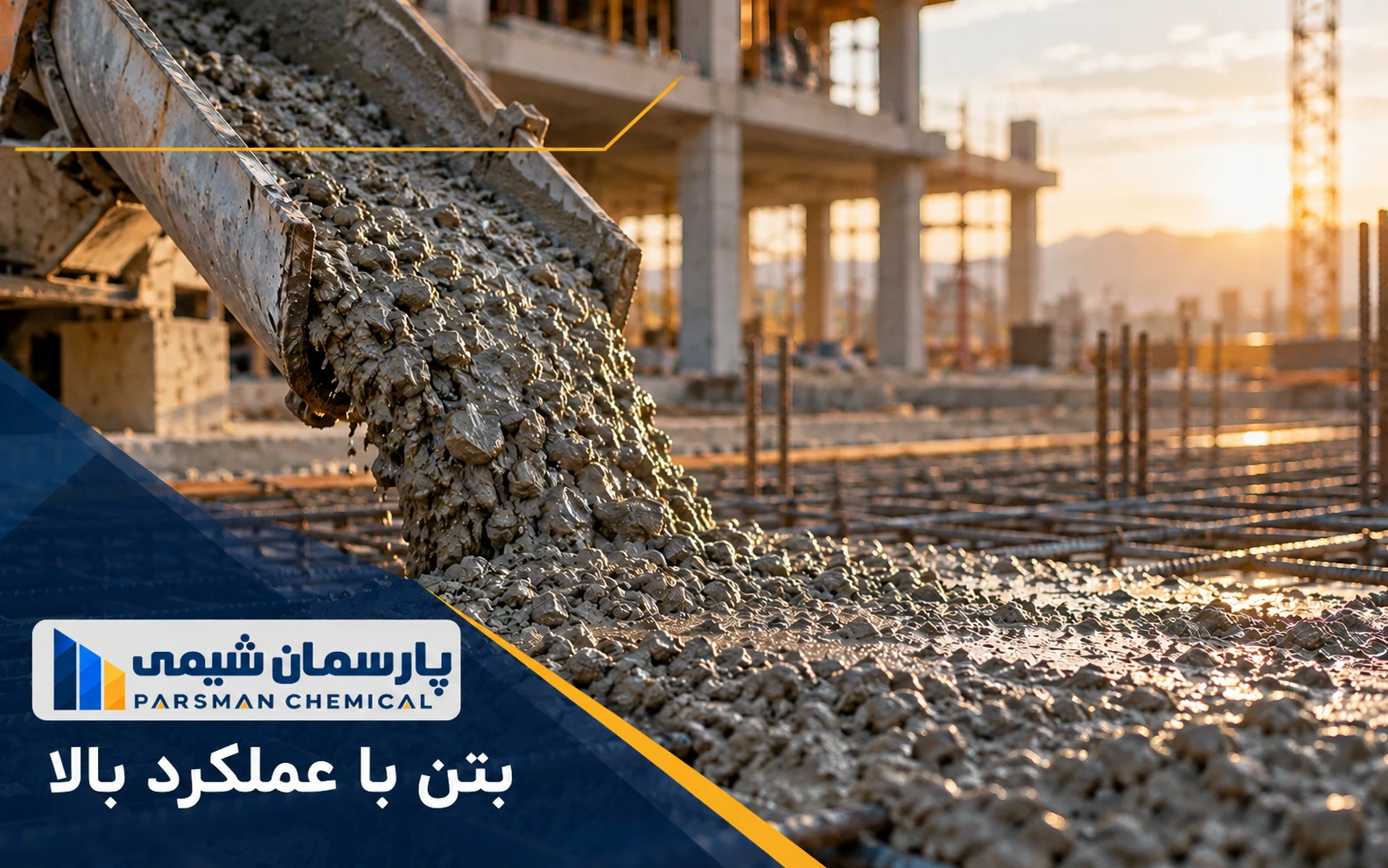
سه گرید تخصصیThree Specialized Gradesثلاث درجات متخصصةТри специализированные маркиسێ جۆری تایبەتمەند پلی‌کربوکسیلات اترPolycarboxylate Etherمن إيثر البولي كربوكسيلاتПоликарбоксилатного эфираپۆلیکاربۆکسیلات ئێتەر برای بتن پیشرفتهFor Advanced Concreteللخرسانة المتقدمةДля современного бетонаبۆ کۆنکرێتی پێشکەوتوو

کاهش چشمگیر آب، حفظ بهتر اسلامپ و بهبود عملکرد بتن در انواع پروژه‌های ساختمانی و صنعتی.High water reduction, improved slump retention and better concrete performance for construction and industrial applications.خفض كبير في كمية الماء، واحتفاظ أفضل بالهبوط، وتحسين أداء الخرسانة في المشاريع الإنشائية والصناعية.Высокое водоредуцирование, улучшенное сохранение подвижности и повышение качества бетона для строительных и промышленных проектов.کەمکردنەوەی بەرچاوی بەکارهێنانی ئاو، پاراستنی باشتر بۆ سڵەمپ و باشترکردنی کارایی کۆنکرێت لە پڕۆژەکانی بیناسازی و پیشەسازی.

YASAN® 1070  ·  ARSAN® 075s  ·  ARSAN® 075

درخواست مشاوره فنیRequest Technical Adviceاطلب استشارة فنيةТехническая консультацияداواکردنی ڕاوێژی تەکنیکی

مناسب بتن آماده و قطعات پیش‌ساختهReady-Mix & Precast Concreteللخرسانة الجاهزة والمسبقة الصبТоварный и сборный бетонبۆ کۆنکرێتی ئامادە و پێش‌دروستکراو

انتخاب مطمئن برای پروژه‌های مختلفA reliable choice for different projectsاختيار موثوق لمشاريع متنوعةНадёжный выбор для разных проектовهەڵبژاردەیەکی متمانەپێکراو بۆ پڕۆژە جۆراوجۆرەکان
حفظ اسلامپ بهترImproved Slump Retentionاحتفاظ أفضل بالهبوطСохранение подвижностиپاراستنی باشتر بۆ سڵەمپ

پایداری کارایی در زمان حمل و اجراWorkability during transport and placementثبات قابلية التشغيل أثناء النقل والصبУдобоукладываемость при перевозке и укладкеجێگیریی کارایی لە کاتی گواستنەوە و جێبەجێکردندا

کاهش آب تا ۴۴٪Up to 44% Water Reductionخفض الماء حتى 44٪Снижение воды до 44%کەمکردنەوەی ئاو تا ٤٤٪

در گرید YASAN 1070، مطابق نتایج آزمونYASAN 1070, according to test resultsفي YASAN 1070، وفق نتائج الاختباراتYASAN 1070 — по результатам испытанийلە YASAN 1070، بەپێی ئەنجامی تاقیکردنەوەکان

Chemical solutions for building the future

Advanced concrete admixtures driven by knowledge, quality and trust

ARSAN 075 — High-performance polycarboxylate ether

ARSAN 075

High-performance polycarboxylate ether

  • Improved concrete flow and workability
  • Strength development through water reduction
  • Lower water-to-cement ratio
  • For superplasticizer production
View product
ARSAN 075s — Slump-retaining polycarboxylate ether

ARSAN 075s

Slump-retaining polycarboxylate ether

  • Extended workability retention
  • Controlled concrete slump loss
  • For long transport and placing times
  • Raw material for superplasticizers
View product
YASAN 1070 — Water-reducing polycarboxylate ether

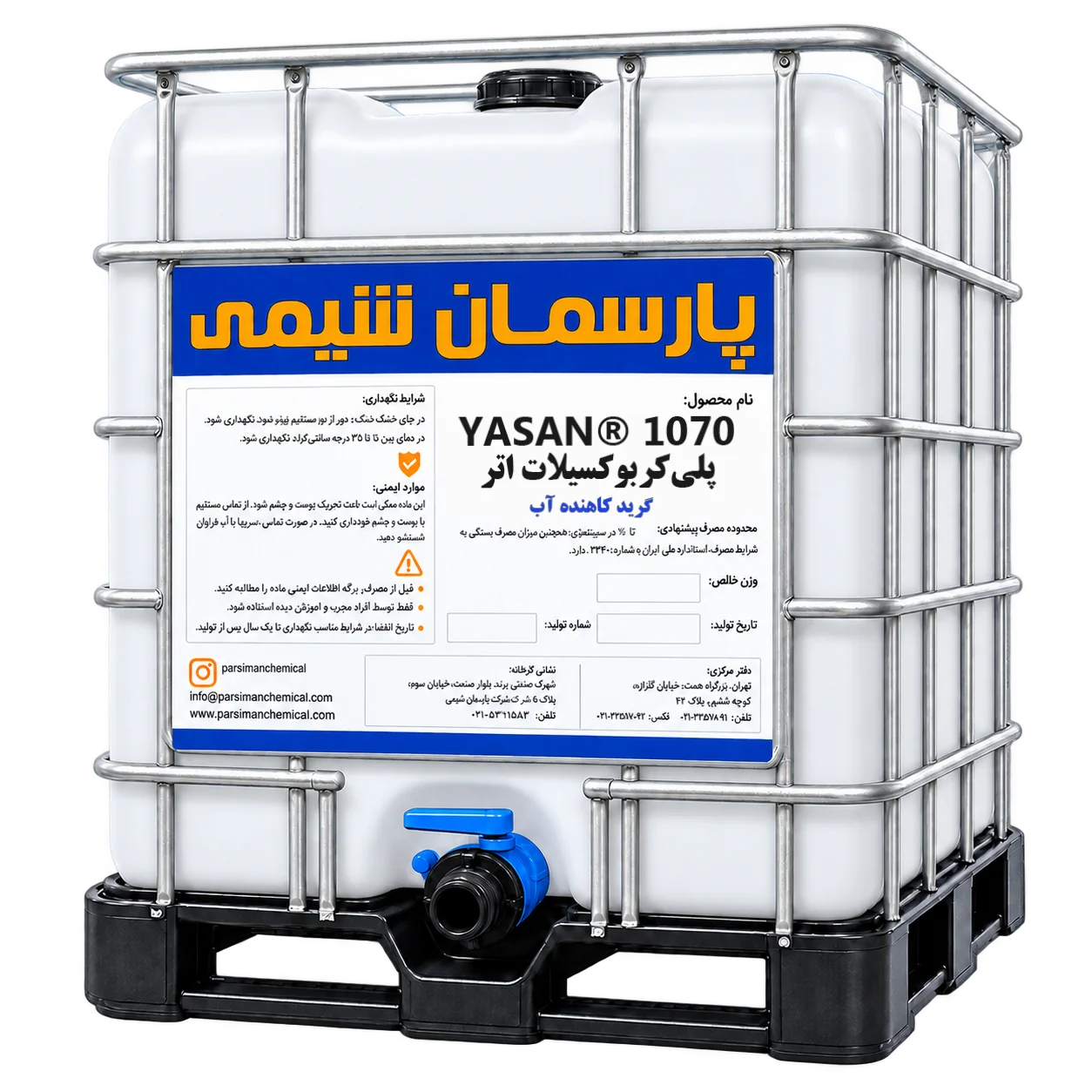
YASAN 1070

Water-reducing polycarboxylate ether

  • High mixing-water reduction
  • Improved flow and workability
  • Supports mechanical strength development
  • For concrete admixture formulations
View product
Building a sustainable futureWith greener solutions
Trusted by professionalsAcross the country
Advanced technologyBased on current knowledge
Consistent qualityFor every project

ARSAN 075

Water reduction
41%
Slump retention
Good
Early strength gain
Good
Recommended use
General &
structural concrete

ARSAN 075s

Water reduction
39%
Slump retention
Very good
Early strength gain
Good
Recommended use
Hot-weather concrete
& long transport

YASAN 1070

Water reduction
44%
Slump retention
Good
Early strength gain
Very good
Recommended use
Precast elements
& high-strength concrete
Feature / Product ARSAN 075 ARSAN 075s YASAN 1070
Water reduction
41% 39% 44%
Slump retention
Good Very good Good
Early strength gain
Good Good Very good
Recommended use
General &
structural concrete
Hot-weather concrete
& long transport
Precast elements
& high-strength concrete

What is polycarboxylate ether (PCE)?

Polycarboxylate ether is a comb-shaped polymer used as a raw material for advanced concrete superplasticizers. Its backbone adsorbs onto cement particles, while its side chains create steric hindrance that helps disperse particles and limit agglomeration. This enables the desired workability with less mixing water and provides greater control over fresh-concrete behaviour.

Selecting the appropriate grade and formulation allows water reduction, initial flow or slump retention to be tailored to project requirements. Actual performance depends on cement type, supplementary cementitious materials, temperature and dosage. Product selection and dosage should therefore be confirmed through compatibility testing and laboratory trial mixes.

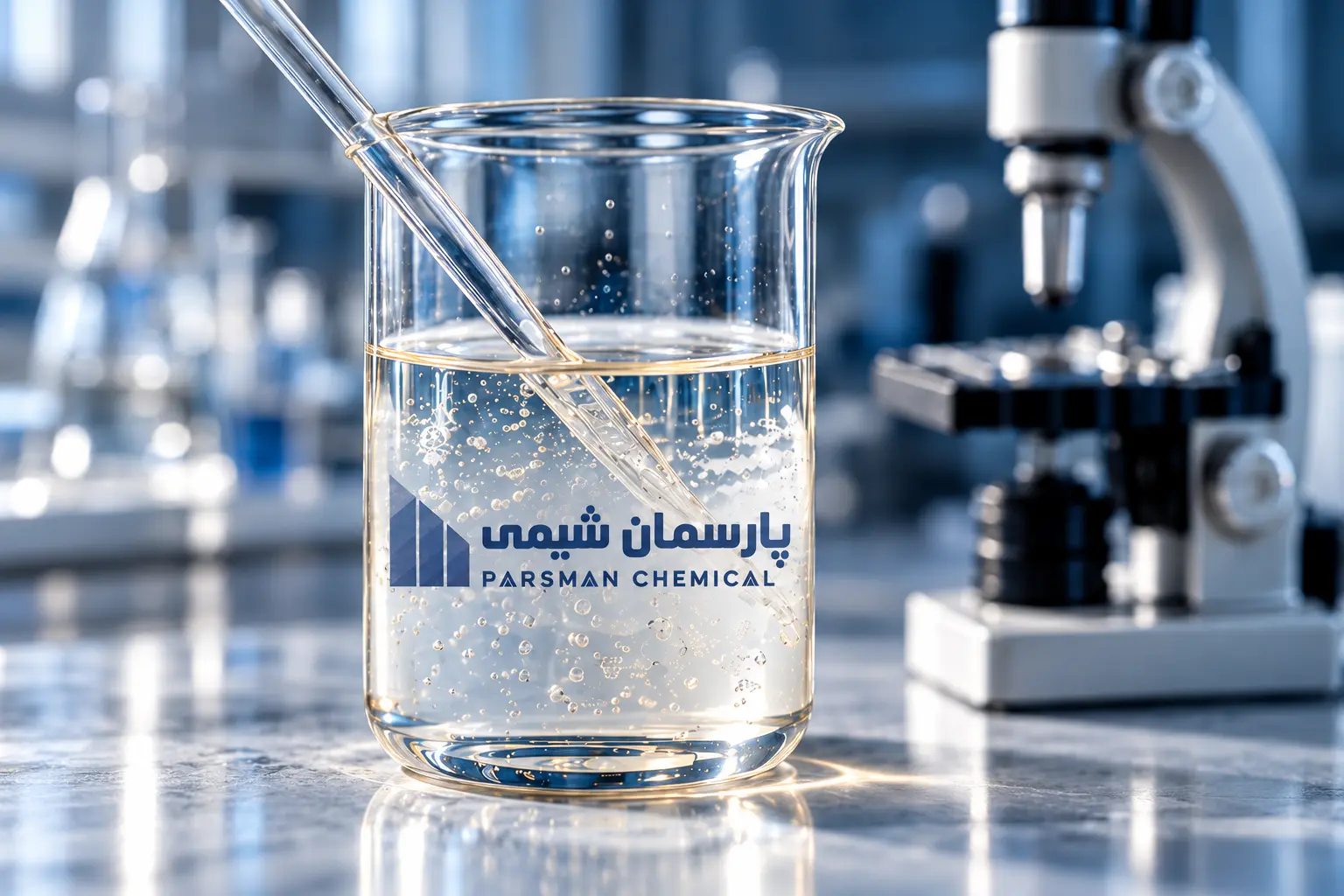
Parsman Chemical concrete admixtures laboratory

Benefits of polycarboxylate ether

Fresh-concrete rheology control to support strength, durability and placing quality

  • Improved surface finish

    Supports a more uniform finish when combined with suitable rheology, correct compaction and controlled placing.

  • Formulation flexibility

    Enables grade selection for cement and supplementary cementitious materials, subject to compatibility testing.

  • Workability retention

    Slump-retaining grades help manage flow loss for the required transport and placing time.

  • Mixing-water reduction

    Reduces water demand at equal workability and supports a lower water-to-binder ratio.

  • Strength development

    A lower water-to-binder ratio can support strength development when combined with appropriate curing.

Where Is Polycarboxylate Ether (PCE) Used?

  • Ready-Mix Concrete

    Workability control during transport and placement

  • Hydraulic Structures & Dams

    Control of the water-to-binder ratio

  • High-Rise Buildings

    Improved pumpability and workability at height

  • Precast Concrete

    Flow control and strength development

  • Infrastructure Projects

    Concrete for bridges, roads and large structures

  • Tunnels & Metro

    Pumpable, high-durability concrete

Chemical Structure and Working Mechanism

How PCE works at the cement-particle level

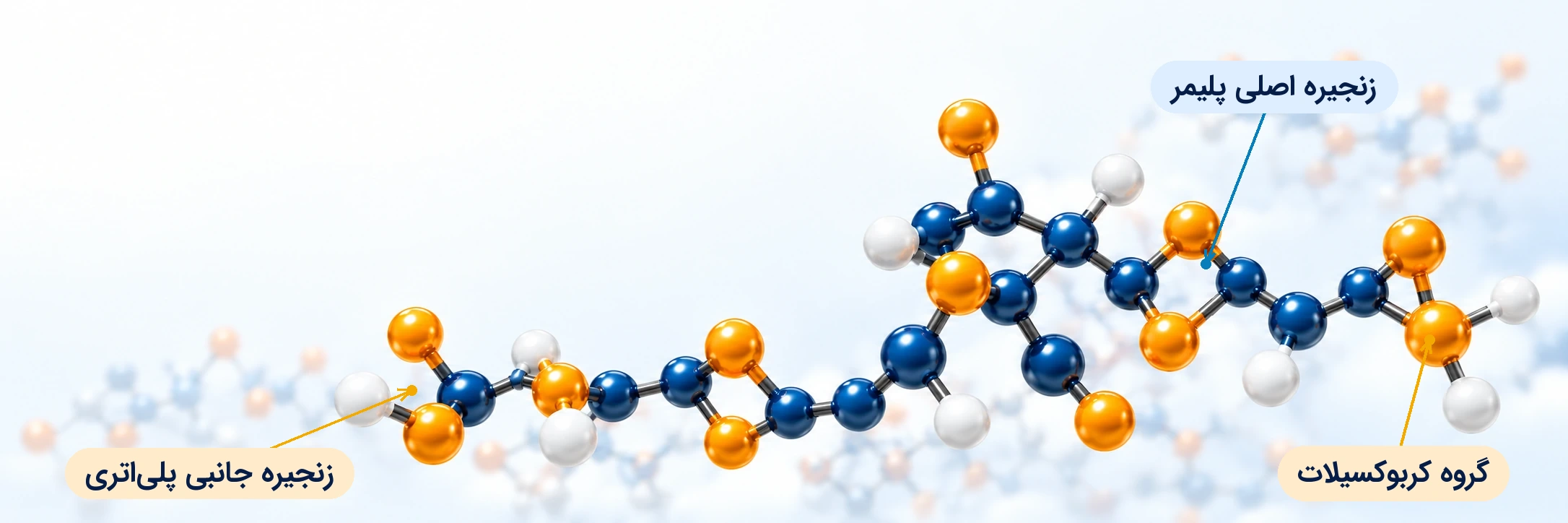
Polycarboxylate ether (PCE) is a modern polymer technology used in high-performance concrete superplasticizers. Its molecular structure consists of a main polymer backbone containing carboxylate groups and polyether side chains. The backbone adsorbs onto cement particles, while the side chains provide steric hindrance and contribute to effective dispersion. Electrostatic interactions may also play a role. Together, these mechanisms reduce particle agglomeration, improve concrete workability and allow lower mixing-water demand. With suitable mix design and curing, the reduced water-to-binder ratio can support higher strength and improved durability.

Conceptual diagram of PCE molecular structure showing polymer backbone, polyether side chains and carboxylate groups
  1. PCE polymer adsorbing onto a cement particle

    Adsorption onto Cement Particles

    Carboxylate groups help the PCE backbone adsorb onto the surface of cement particles.

  2. PCE side chains creating a steric barrier around cement particles

    Steric and Electrostatic Repulsion

    Polyether side chains create steric hindrance, while electrostatic interactions can help keep cement particles apart.

  3. More uniform dispersion of cement particles in the presence of PCE

    Improved Particle Dispersion

    As cement particles become less agglomerated, the cement paste becomes more uniform and flows more easily.

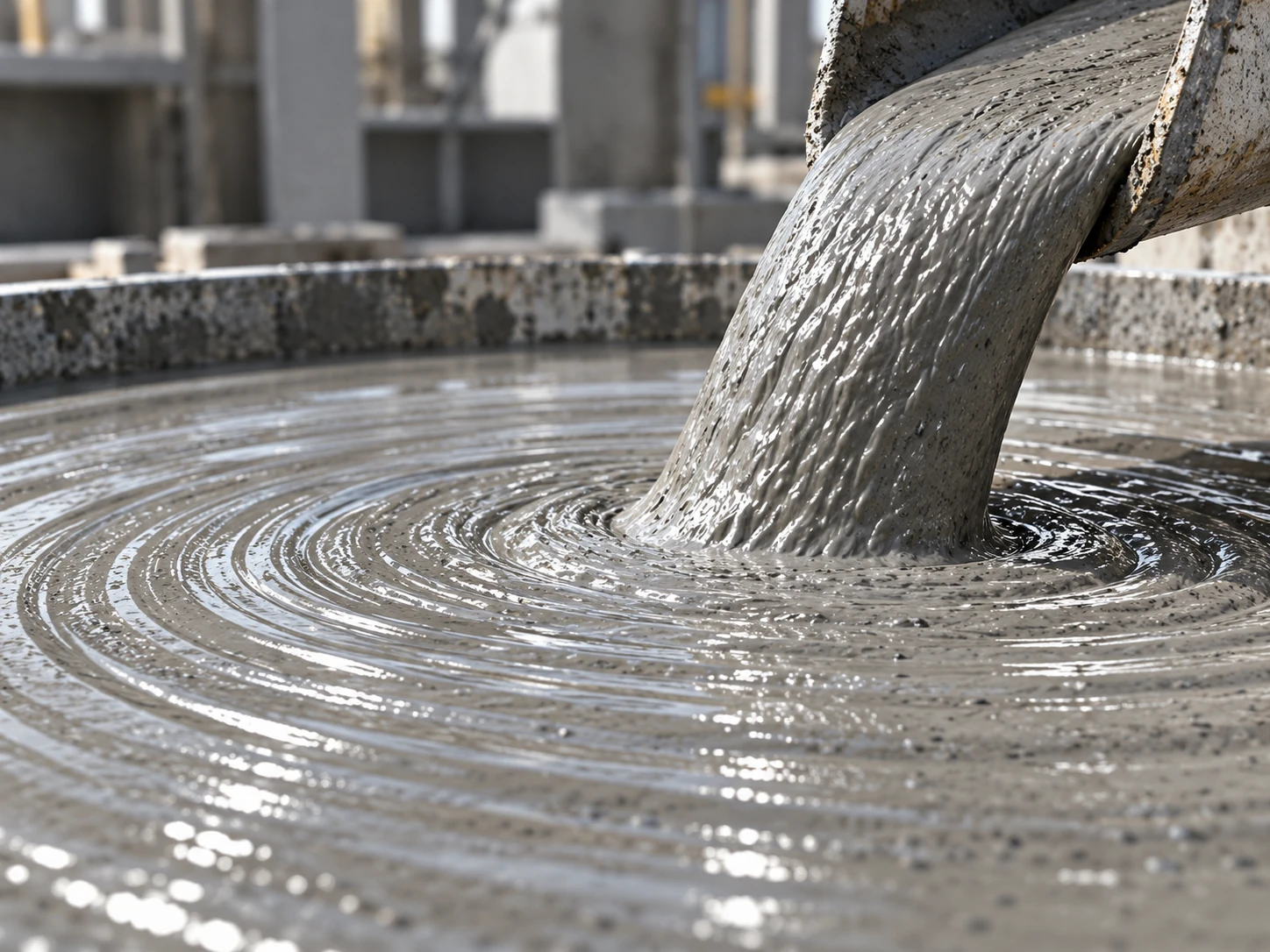
  4. Fresh concrete exhibiting improved flow and workability

    Higher Concrete Workability

    The result is improved flow at the same water content, or lower water demand for a targeted workability.

PCE vs. Earlier-Generation Plasticizers

Comparison with Lignosulfonates and Naphthalene-Based Superplasticizers

Compared with older plasticizer technologies such as lignosulfonates (LNS) and sulfonated naphthalene formaldehyde (SNF), PCE offers greater flexibility in tailoring concrete performance. Its adjustable polymer architecture can achieve substantial water reduction while maintaining the required initial flow or slump retention. The actual results depend on the selected grade, cement compatibility, dosage, temperature and mix design. This flexibility makes PCE particularly useful in modern high-performance concrete applications.

Property Lignosulfonates (LNS) Naphthalene-Based (SNF) Polycarboxylate Ether (PCE)
Water Reduction At equivalent workability Low to moderate Moderate to good Very high
Slump Retention Workability over time Limited Moderate Very good
Strength Potential Through a lower water-to-binder ratio Limited Good Very good
Formulation Flexibility Potential to tailor molecular architecture Limited Moderate Very high

The ratings and stars provide a qualitative comparison of the general capabilities of these technologies. Actual performance varies with product grade, dosage, cement type, temperature and concrete mix design. Images are illustrative and do not represent laboratory test results.

Factors Affecting Concrete Superplasticizer Performance

Cement compatibility: from admixture selection to performance control on site

The performance of polycarboxylate ether (PCE) superplasticizers depends on cement type, constituent materials, water-to-binder ratio and placing conditions. Select the appropriate product according to the required workability, transport time and concrete mix design.

To assess cement–superplasticizer compatibility and establish dosage, prepare trial mixes using the actual project materials. Evaluate initial workability, slump retention and setting time before using the admixture at production scale.

Concrete placement over reinforcement: assessing concrete superplasticizer performance

Cement Type and Composition

A change in cement type or supply source can alter the response to an admixture. Confirm compatibility with the cement in use before finalising the dosage.

Water-to-Binder Ratio

Align this ratio with target workability and strength requirements. Adjust mixing water and superplasticizer dosage according to the mix design and trial results.

Temperature and Site Conditions

Concrete and ambient temperatures influence workability retention and setting. Evaluate the admixture at temperatures representative of transport and placing conditions.

Supplementary Cementitious Materials

Include the type and proportion of slag, fly ash and silica fume in the assessment. Test compatibility with the actual cementitious blend used in the project.

Concrete Mix Design

Paste volume, aggregate grading and aggregate properties work alongside water and binder content to determine workability and mix stability.

Transport and Placing Time

Match the admixture grade to transport, waiting and placing times so that the required workability is maintained when concrete is placed.

Superplasticizer Dosage

Determine dosage from the product technical data sheet and trials with project materials. A higher dosage does not always deliver better performance.

Physical and Chemical Properties

The physical and chemical properties of polycarboxylate ether (PCE) products—including solids content, pH, density, viscosity, appearance and solubility—help assess quality, storage stability and ease of processing. They also inform grade selection for the intended formulation and project requirements. Consider these properties alongside concrete performance and compatibility with cement and other mix constituents.

Property ARSAN 075 ARSAN 075s YASAN 1070
Solids content (%)39 – 4139 – 4139 – 41
pH5.0 – 7.05.5 – 7.56.0 – 8.0
Density (g/cm³)1.05 – 1.081.06 – 1.091.07 – 1.10
Viscosity (mPa·s)400 – 1,200300 – 800200 – 600
AppearanceClear to slightly cloudy liquidClear liquidClear to slightly cloudy liquid
SolubilityReadily soluble in waterReadily soluble in waterReadily soluble in water

ARSAN 075

Solids content (%)
39 – 41
pH
5.0 – 7.0
Density (g/cm³)
1.05 – 1.08
Viscosity (mPa·s)
400 – 1,200
Appearance
Clear to slightly cloudy liquid
Solubility
Readily soluble in water

ARSAN 075s

Solids content (%)
39 – 41
pH
5.5 – 7.5
Density (g/cm³)
1.06 – 1.09
Viscosity (mPa·s)
300 – 800
Appearance
Clear liquid
Solubility
Readily soluble in water

YASAN 1070

Solids content (%)
39 – 41
pH
6.0 – 8.0
Density (g/cm³)
1.07 – 1.10
Viscosity (mPa·s)
200 – 600
Appearance
Clear to slightly cloudy liquid
Solubility
Readily soluble in water
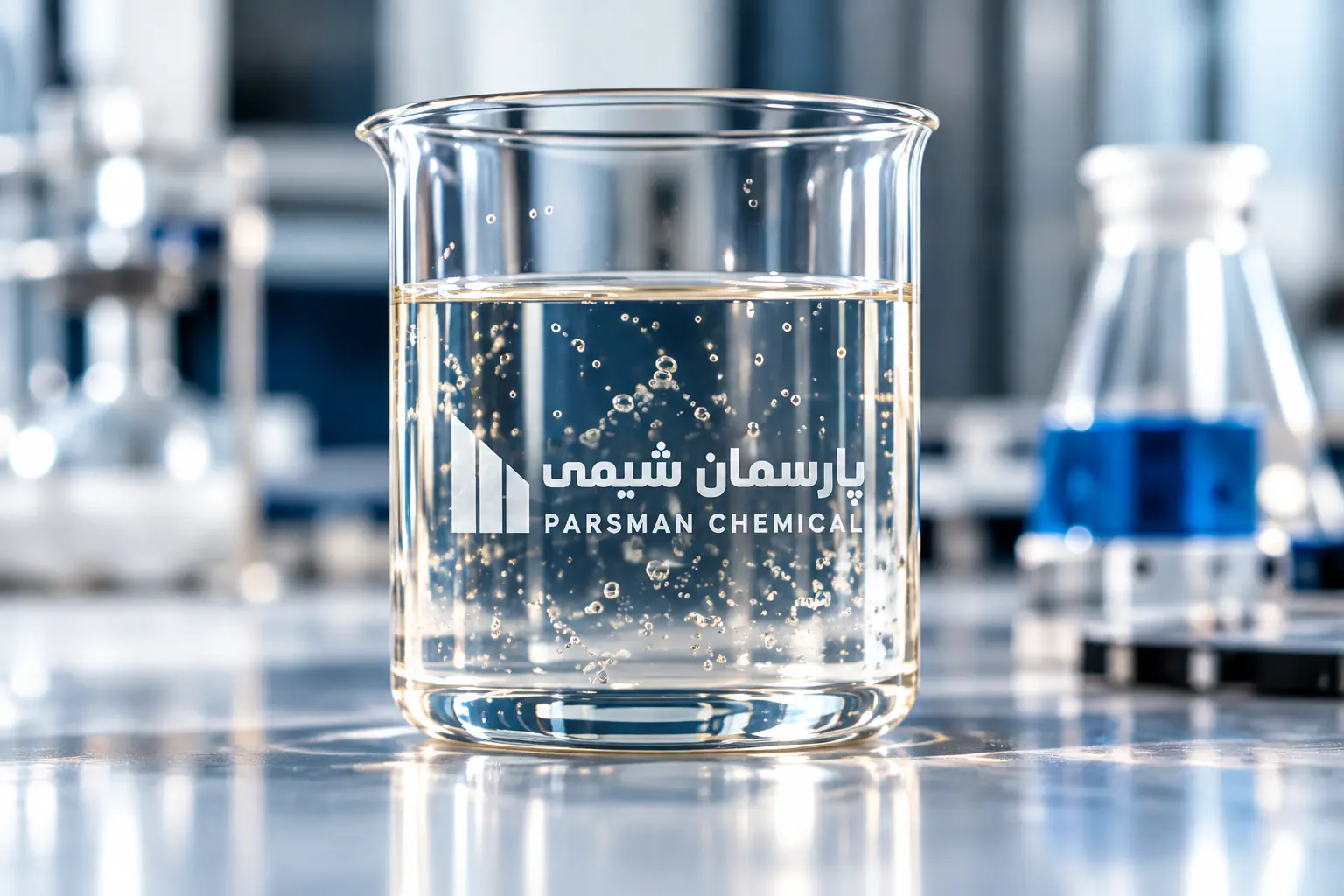
Concrete admixture sample in the Parsman Chemical laboratory

PCE superplasticizer performance is evaluated through laboratory and field tests covering water reduction, slump retention, cement compatibility, setting behaviour, compressive strength and concrete workability. Interpret test results alongside cement type and mix conditions to select a product suited to the project and its performance requirements.

Performance Evaluation and Testing Methods

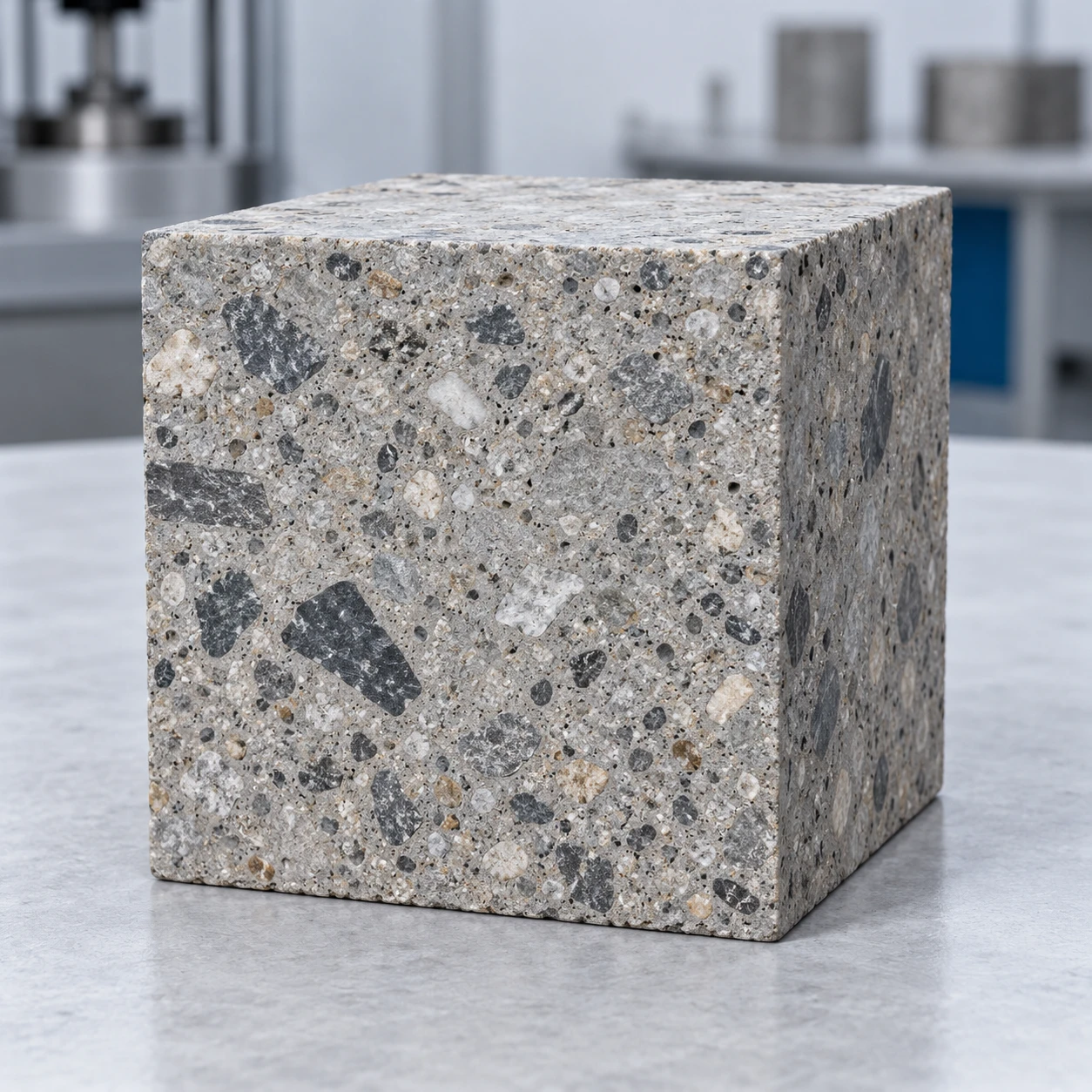
Concrete specimen for assessing admixture compatibility with cement and supplementary cementitious materials

Cement compatibility

Assess compatibility with cement and supplementary cementitious materials.

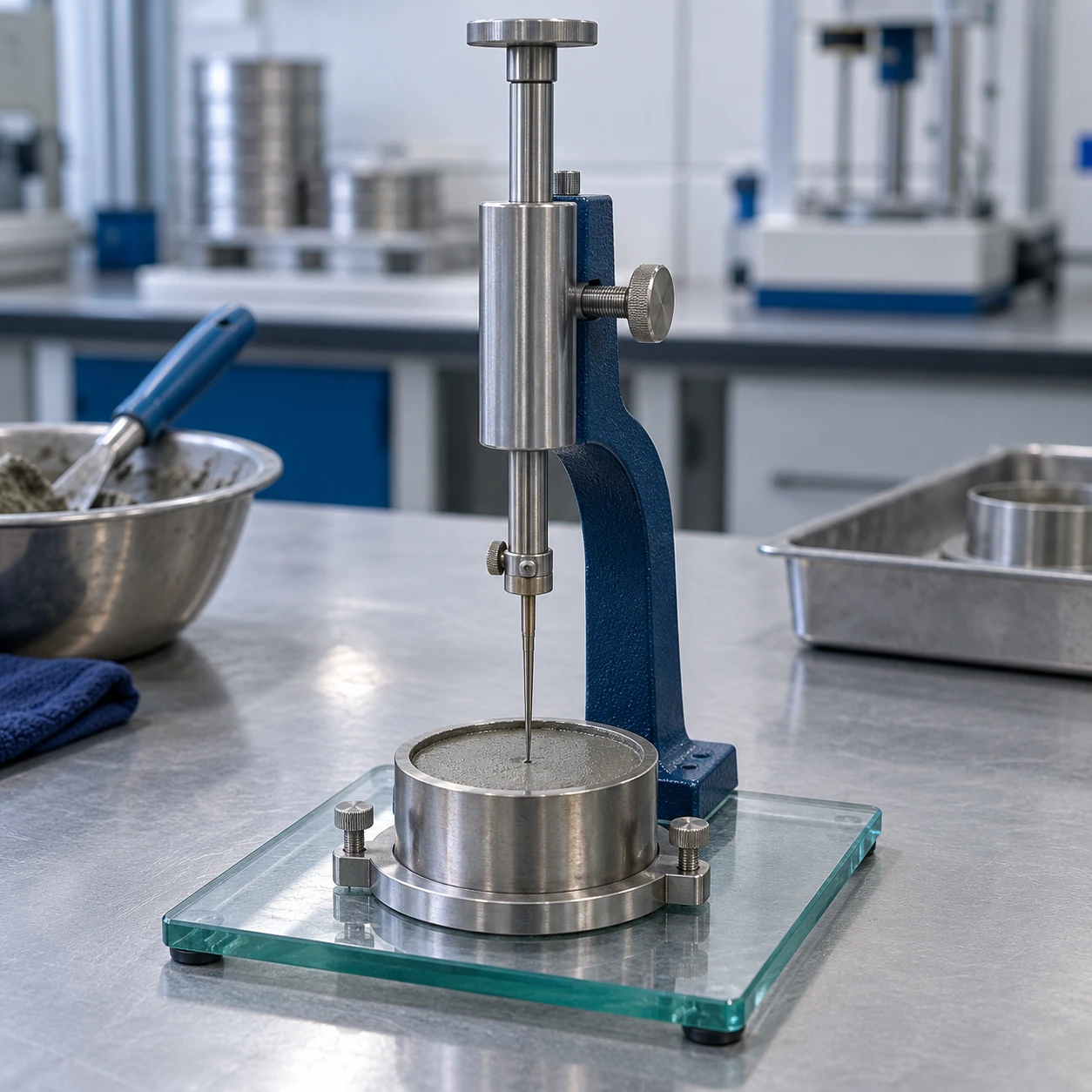
Needle penetration test for cement paste setting time

Setting time

Evaluate the effect of PCE on initial and final setting times.

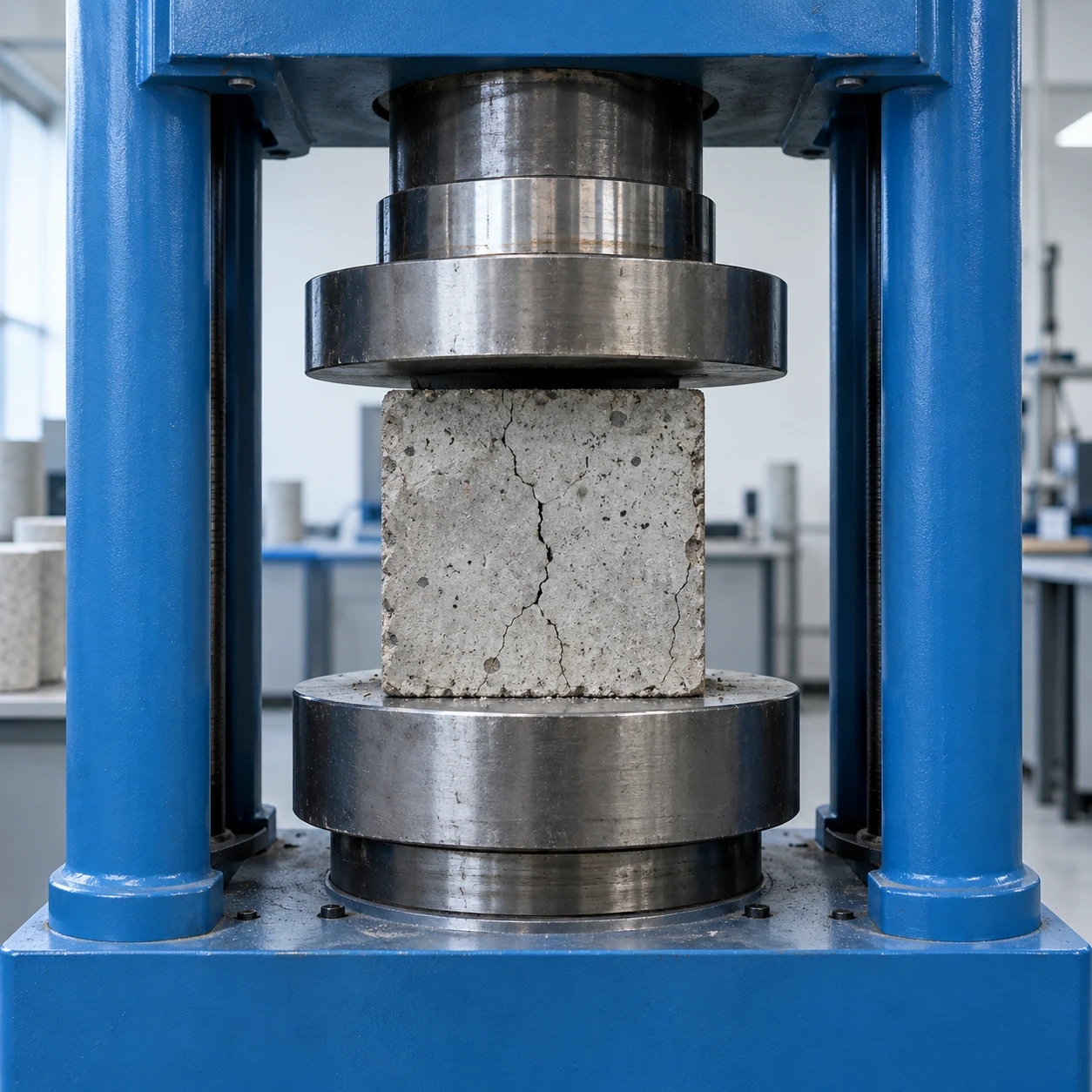
Laboratory machine for concrete compressive strength testing

Compressive strength

Assess strength development at different ages.

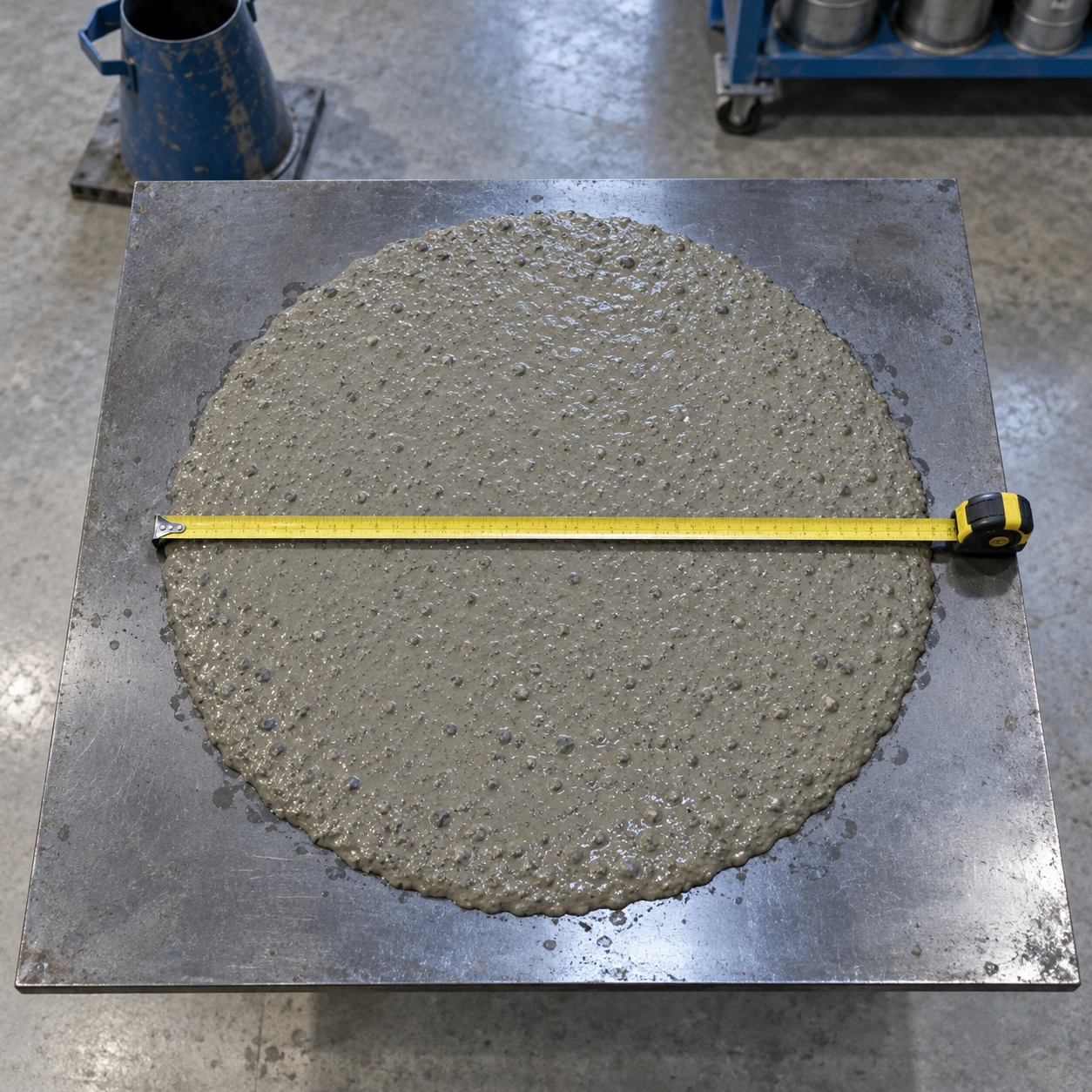
Concrete spread for flow measurement

Flow test

Measure concrete flow and spread.

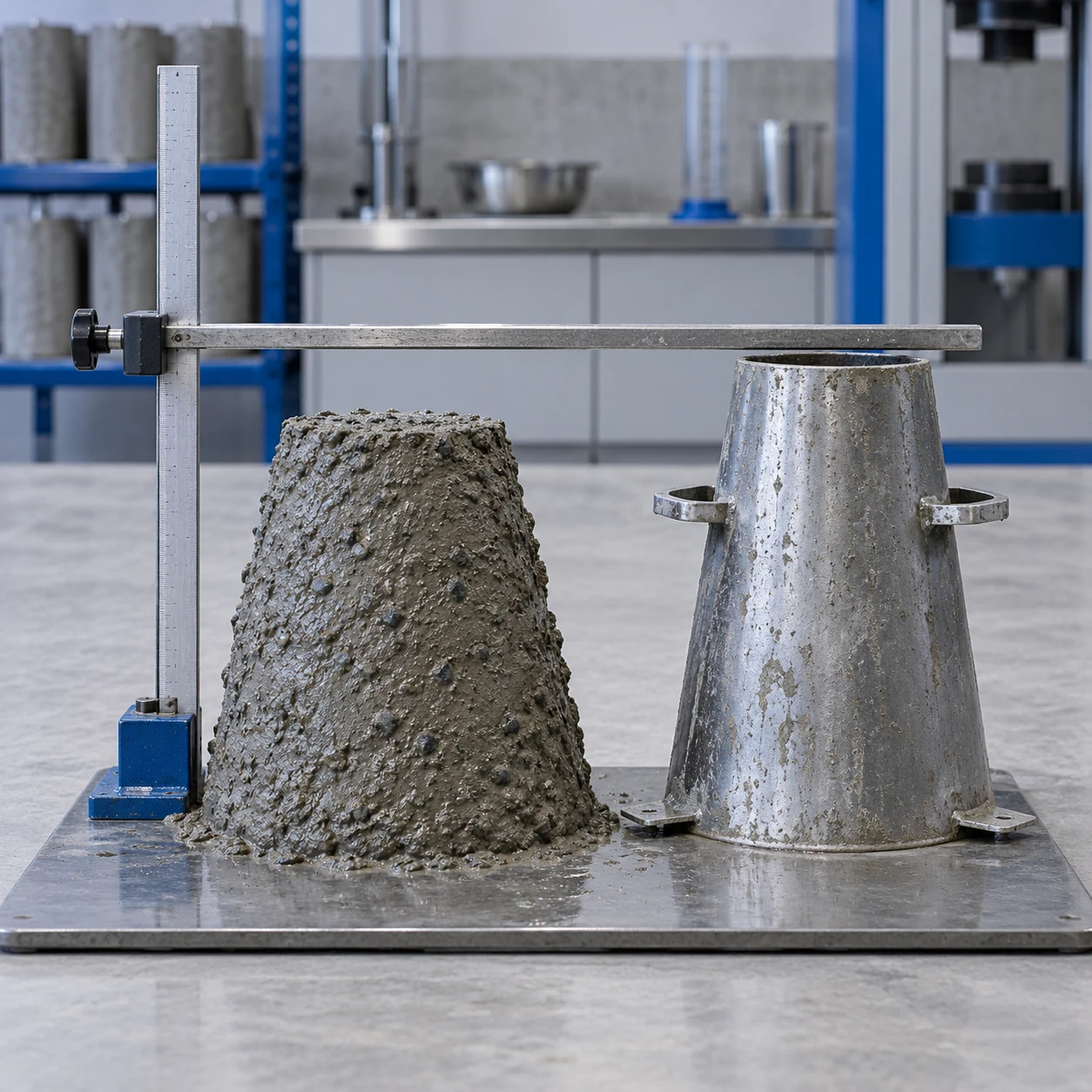
Slump test to assess concrete consistency and workability retention

Slump test

Evaluate concrete consistency and workability retention over time.

Cement compatibilityPerformance across different mix designs
Compressive strengthStrength development at different ages
Setting timeInitial and final setting behaviour
Slump retentionWorkability retention over time
Water reductionWorkability with less water

Formulating PCE-Based Concrete Admixtures

Polycarboxylate ether (PCE) provides a basis for developing concrete superplasticizers tailored to project requirements. Adjusting the polymer blend, water and compatible formulation components allows products to be designed for water reduction, workability retention and different placing conditions. Evaluate each formulation using the actual cement and materials specified for the project.

Workability control
Mixing-water reduction
Cement compatibility testing
Workability retention for placing
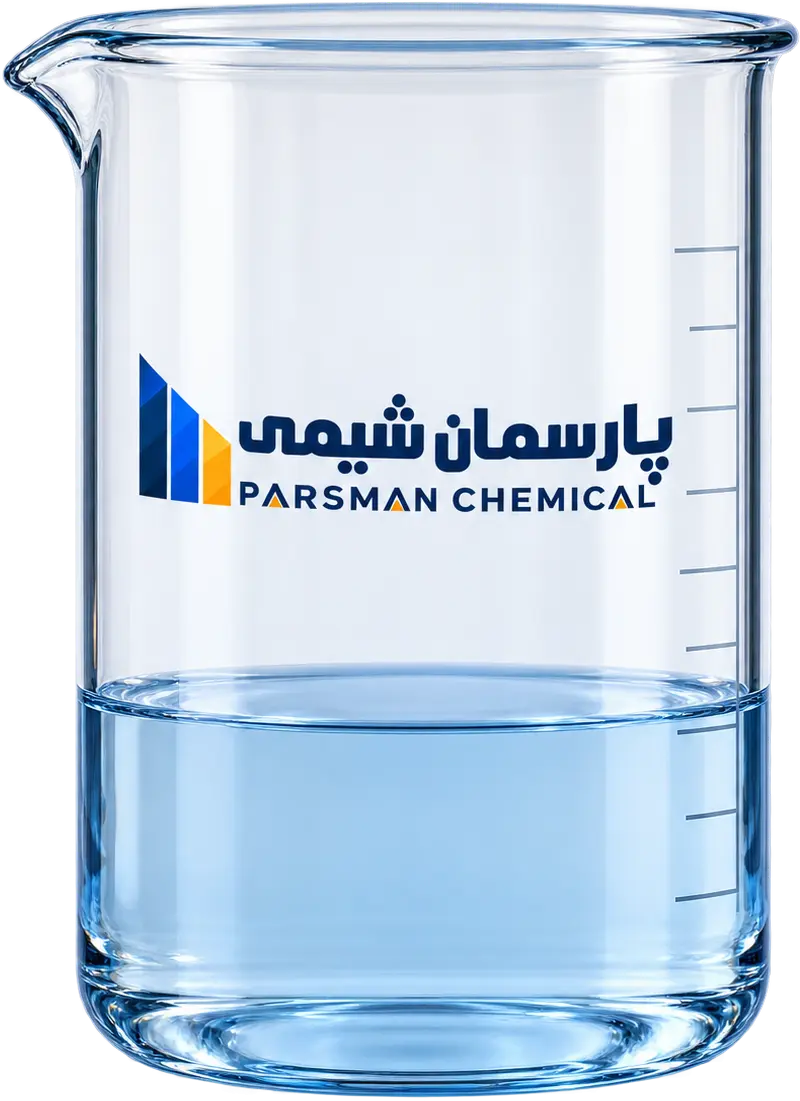
Laboratory beaker for PCE-based concrete admixture formulation
PCE-based formulation
Polycarboxylate ether
Compatible supporting components
Selected formulation additives
Water and liquid components

Laboratory Evaluation of Concrete Admixture Performance

Admixture comparisons require clearly defined test conditions, constituent materials and assessment criteria. Water reduction, compressive strength and slump retention are key performance indicators. Report product results together with the dosage, test age and concrete mix proportions.

Water reduction (%)

Compressive strength (MPa)

Slump retention: schematic example

0 60 120
PCE SNF LNS

These charts are illustrative examples and do not represent verified test results for Parsman Chemical products.

Storage and Stability of Concrete Admixtures

Correct storage is part of concrete admixture quality control. Keep the product in its original, sealed packaging under the conditions specified in the technical data sheet. Before use, check the production date, appearance and product preparation instructions.

Storage temperature

Follow the product technical data sheet

Protect from direct sunlight

Keep protected from sunlight

Protect from freezing

Observe product temperature limits

Shelf life

Check the packaging date and storage conditions

پاسخ تخصصی برای پروژه شما

در صورت عدم یافتن پاسخ مورد نظر، با کارشناسان ما در ارتباط باشید.

QUALITY CHEMISTRY STRONGER TOMORROW